
Donor Appreciation Guide: Basics + 9 Recognition Ideas
While every donor has their own reasons for giving to your nonprofit, they all want to know that their support matters. Was their $200 gift received and appreciated? Did their in-kind donation to your auction make a meaningful difference for your cause? Without donor recognition, they may never know.
The good news? A thoughtful appreciation strategy makes donors feel valued and keeps them connected to your mission. This guide covers the essentials and gives you practical ideas you can put to work right away:
What is Donor Recognition?
Donor recognition is the practice of acknowledging, thanking, and showing appreciation for your nonprofit’s donors.
This includes everything from automated thank-you emails to one-off donor appreciation events – anything you do to communicate how much your organization values its supporters. Because your nonprofit relies on the generosity and selflessness of its community members, a repeatable, well-defined donor recognition plan is essential.
Why Donor Appreciation Matters
If a donor doesn’t feel seen or like you value their contribution, they’re less likely to give again.
With a strong donor recognition strategy, however, you can:
- Boost retention: Thoughtful donor recognition builds loyalty and long-term relationships.
- Inspire larger gifts: Appreciation can be a powerful motivator for further engagement and repeat donations. Donors may give more or more often when they feel recognized.
- Expand your reach: Donors who feel good about supporting your organization are more likely to share your message with their friends and family.
- Create advocates: Some donors may even spread the word to their wider networks and become vocal champions for your cause – all thanks to your recognition efforts.
From a strategic perspective, this means you should add recognition opportunities at various stages of every campaign and event. No matter what type of fundraising campaign you’re running, donor appreciation should be an integral part of the process – never an afterthought.
When to Recognize Your Donors
There are plenty of great opportunities to let your donors know how much you appreciate them, including:
While They’re Donating
By the time someone lands on your online donation page, it’s likely that they’ll make a donation – but it’s not a guarantee.
To increase your chances of receiving a contribution, ensure that your donation page makes visitors feel good about giving to your organization. Ideally, the first thing a visitor sees (before they even select a donation amount) should be a message explaining your mission and thanking them for their support. This makes the donation process feel more personal and less transactional.
After They Make a Donation
This is probably the most obvious opportunity for donor appreciation, but it’s also one of the most important! Just as you would thank a friend for a gift in your personal life, your nonprofit should thank each donor right after they contribute. Send thank-you letters as soon as possible using a CRM designed for nonprofits, which can automatically generate personalized thank-you messages tailored to each recipient.
At Events
In-person and online events are natural opportunities to thank donors, regardless of whether the main focus of the event is fundraising, awareness, or showing appreciation. Beyond thanking guests in person or during a speech, recognize event donors by:
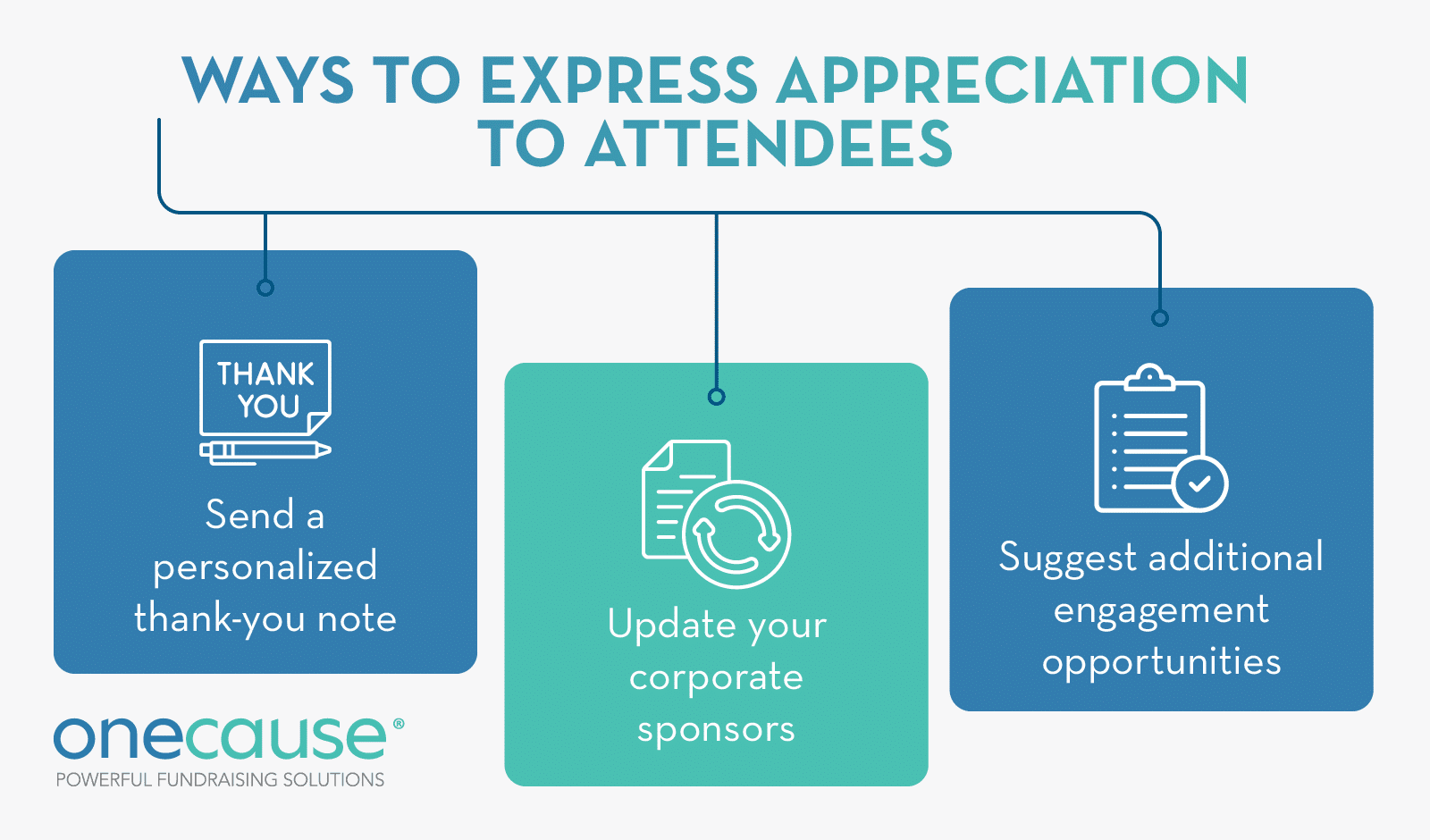
- Sending a personalized thank-you note to all attendees within 24 hours of the event.
- Updating your corporate sponsors about the fundraiser’s success and how you’ll use the proceeds.
- Suggesting additional engagement opportunities like volunteering, exploring your resources, or participating in a peer-to-peer fundraiser.
Even guests who don’t donate at the event will appreciate these efforts. They may even be inspired to make an online donation after receiving your recognition messages.
On Giving Tuesday
Giving Tuesday has become a global phenomenon. On the Tuesday following Black Friday and Cyber Monday, thousands of individuals give their time, money, and voice to causes that matter to them.
The hype surrounding Giving Tuesday offers the perfect opportunity to show your supporters some love. This could be as simple as sharing a general thank-you message or video on your social media accounts, or you could give personalized shoutouts to individual donors. Not only will your donors appreciate that you took the time to recognize them, but they may even be compelled to give again.
After Completing a Project
From promoting literacy to providing communities with clean water, many nonprofit causes are ongoing endeavors with no clear endpoint. This isn’t a bad thing, but it does mean that when people donate to your organization, they may not fully understand what their donations accomplish.
Show your supporters the impact they’ve made by sharing your small victories with them. Whenever you complete a project or reach a milestone, write a blog post or create a video to tell the story behind the achievement, emphasizing that donors made this story possible. Provide tangible evidence of how their money was used so donors feel confident about their support.
At the End of the Year
End-of-year reporting is the perfect time to highlight donors’ collective impact. For instance, you might send out a mass donor appreciation email along with your annual report or add a special message to your website’s homepage. Keep in mind that the end of the year is already a popular time for giving – so if you can send that thank-you out before December 31, it may help you bring in more donations before the calendar changes.
On Their Donation Anniversary
If you want to take donor appreciation to the next level, sending a personalized thank-you on each person’s donation anniversary is a nice touch. But don’t worry about trying to manage all of these dates in a spreadsheet! You can leverage your CRM to schedule a reminder to follow up with each donor in a year.
How to Create a Solid Donor Appreciation Strategy
Thanking your donors isn’t a one-and-done activity – it should be an ongoing, strategic pursuit. Follow these steps to put more thought into donor recognition and create a plan for continually strengthening your relationships with appreciation:
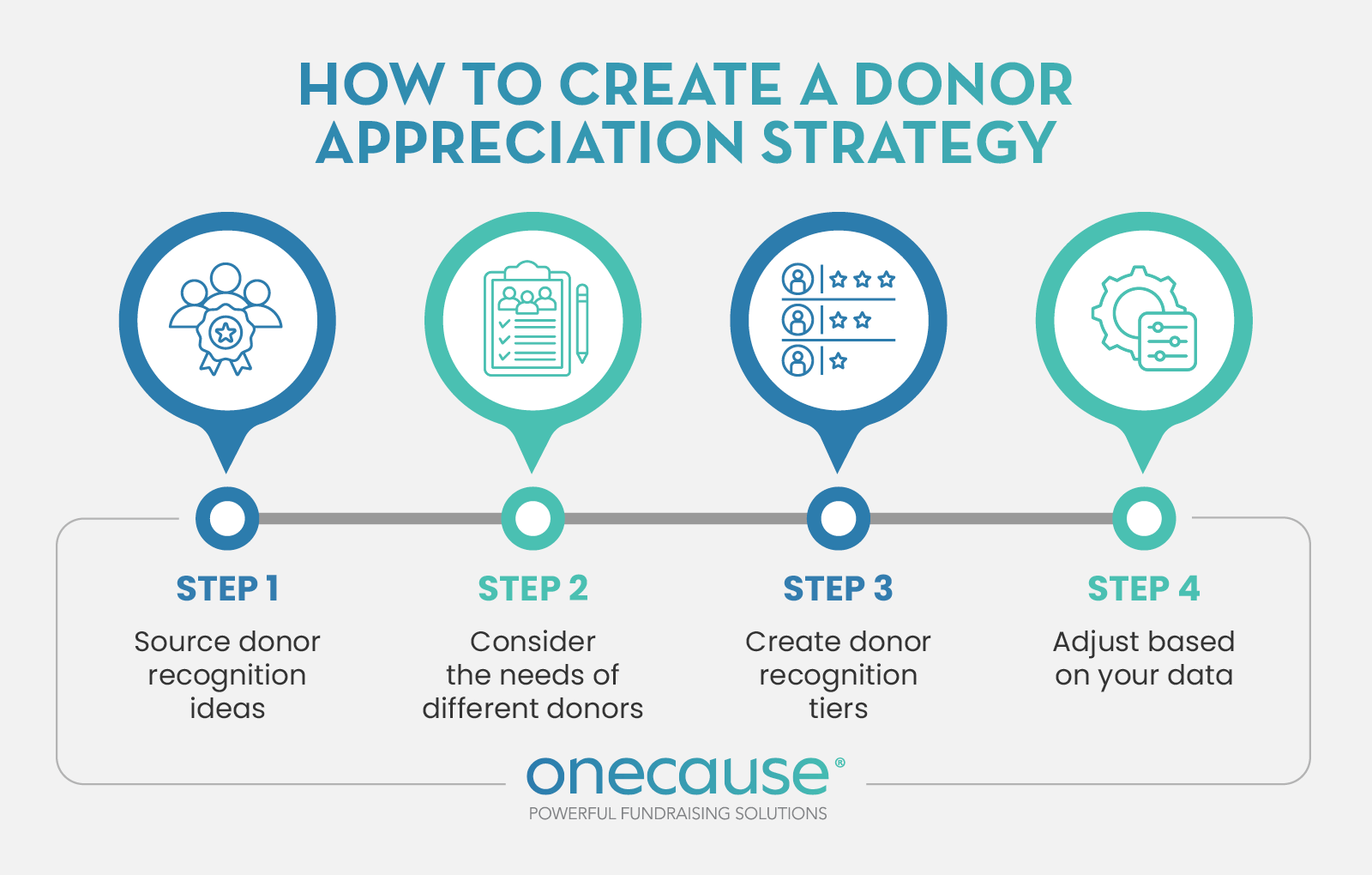
1. Source Donor Appreciation Ideas
First, you need a list of recognition ideas that are clearly meaningful and easy to repeat. Your list could include everything from standard thank-you messages to annual appreciation galas – any communications, efforts, or events your nonprofit uses to recognize donors. Start with the ways you’ve historically recognized donors. Then, use our ideas list below to expand your options.
When choosing donor appreciation ideas, aim for a balance between:
- Private recognition: Individual, one-to-one acknowledgments like emails, letters, and in-person conversations that feel heartfelt and personal
- Public recognition: Newsletter shout-outs, social media thank-you messages, and other types of recognition that are visible to the public
Some donors may have a strong preference for how they like to be recognized, while others appreciate both private and public forms of recognition. Analyze engagement data like open and click-through rates to discover individual donors’ preferences. Alternatively, simply ask them what they prefer!
2. Consider the Needs of Different Donors
Donor appreciation isn’t a one-size-fits-all effort. Just like you personalize your fundraising appeals to speak to different donor segments, you should align your recognition strategies with the needs and preferences of different groups.
In particular, the following factors might influence the types of recognition you give to different donors:
- Giving level
- How recently they donated
- Type of contribution, such as a DAF grant or in-kind donation
- Type of involvement, such as volunteering or attending an event
- Which of your programs they support
- Length of their relationship with your nonprofit
- Engagement level
- How often they donate
- Communication preferences
- Previous engagement with your recognition efforts
For example, you might honor a longtime major donor who served on the board for three years with a recognition plaque from your organization. Meanwhile, you could send short, personalized thank-you text messages to each of your low-level recurring donors and sporadic volunteers.
3. Create Donor Recognition Tiers
Creating specified donor tiers helps you prioritize recognition and ensure that all donors are thanked appropriately based on the size and recency of their gifts. Recognition tiers can be as straightforward as minor, mid-level, and major donors. Or, you could create several different tiers based on donation amount.
For instance, your first tier might include gifts within the $15–$250 range. For these donors, you might send immediate thank-you emails and general impact updates. Donors in the $5,000–$15,000 range, on the other hand, could receive personalized impact reports, invitations to your appreciation gala, newsletter highlights, and quarterly phone calls from a board member.
No matter your exact tiers, these distinctions help your nonprofit build a regular recognition cadence tailored to the needs of various donors.
4. Adjust Based on Your Data
Finally, don’t be afraid to tweak your donor recognition strategy based on what works best for your organization. Track both quantitative and qualitative data to get the full picture of donors’ preferences. If you find that most donors appreciate social media shoutouts more than newsletter features, for example, you should plan additional ways to celebrate donors on your organization’s social media profiles.
11 Donor Recognition Ideas to Try
Now that you know the basics, explore our top donor recognition ideas for nonprofits of all shapes and sizes. Here are our favorite ways to say thanks:
1. Thank-You Email
A classic, compelling donation thank-you email is essential to your nonprofit’s fundraising strategy. Immediately after someone gives online, they should receive an automated, personalized email thanking them for their support and reminding them how much of a difference the donation will make to your mission.
Remember to use each donor’s preferred name and include a tax receipt for their records. Don’t ask them to do anything else in this email – just say thanks and remind them how they can stay in touch with your organization.
2. Live Recognition at Events
When you’re hosting a fundraising event, you’re focused on raising new funds. But that doesn’t mean you can’t also recognize the people who have already made donations. Sit-down events like galas, dinners, and auctions are great venues for publicly acknowledging major or long-time donors. You might thank them in a speech, invite them to speak about their involvement with your mission, or present them with a gift or award.
Another option is to plan a smaller party specifically focused on donor appreciation. While this approach certainly requires a bit more time and money to execute, it’s a nice gesture that clearly shows your gratitude. This can go a long way toward securing future donations from your supporters.
3. Personalized Thank-You Letters
With the rise of digital marketing, traditional mail and thank-you letters have become more personal, and most of your donors will see a handwritten card as far more meaningful than an automatic thank-you email.
Make these letters even more memorable by:
- Personalizing each message. Address each recipient by name rather than using a generic “Dear Donor.” Take personalization to the next level by handwriting your letters. You can also personalize letters by including specific details about the donor’s contribution, such as the amount donated and which of your initiatives their contribution supported.
- Segmenting your donors. Use the donor recognition tiers established earlier, or segment them further to better tailor your messages. For example, you might divide your donors based on how long they’ve been with your nonprofit. Then, you could send new donors letters that welcome them to your organization, while your recurring donors get recognized for their long-term support.
- Sending a little something extra. You can go the extra mile when thanking donors through direct mail. In addition to their letter or card, consider including a bonus item, such as stickers, magnets, keychains, or other small but meaningful gifts. Just keep in mind that not everyone enjoys receiving physical items, so offer donors the option to opt out if they prefer to limit waste.
Additionally, make sure your thank-you letter reflects your nonprofit’s brand. This includes adding your logo to your letter and card, along with reaffirming your donor’s impact. Highlight your mission and use visuals that represent your work, such as photographs of your volunteers or constituents.
4. Social Media Shoutout
According to Double the Donation’s nonprofit fundraising statistics, social media inspired Millennials and Gen X donors to give more than other marketing channels. For your donor recognition strategy, this means you can effectively honor your donors through social media channels while also encouraging their friends and family to consider giving too.
Individual social media shout-outs generally consist of a photograph of a donor and a brief statement about their gift and connection to your nonprofit. Let your donors know when your post is live, so they can share it with their followers, spreading the word about their good deed and your cause at the same time.
Or, you can thank all your donors at once with a general shoutout on your social media pages. For instance, this Giving Tuesday thank-you post recognizes everyone who donated on Giving Tuesday and tags a few individuals who made the largest contributions:
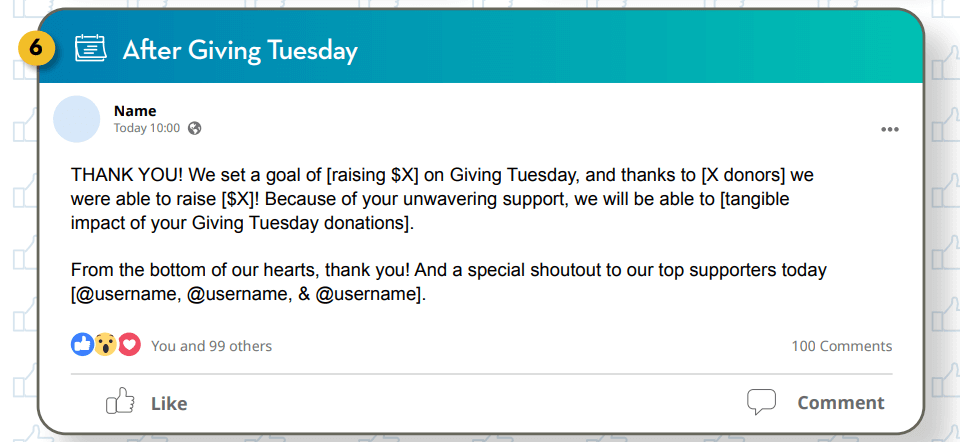
You can also use social media shout-outs as a jumping-off point to continue engaging with your supporters. Comment on, like, and reshare posts your supporters make about your nonprofit to help generate engagement and cultivate your relationships. Plus, some social media websites, such as Facebook, allow your supporters to run fundraisers for your nonprofit, and the right conversations on social media may lead to one hosted on your behalf.
5. Donor Wall
Sometimes your nonprofit needs to show donors appreciation in a more permanent way. For instance, major donors, capital campaign contributors, and planned donors provide the funding that allows your nonprofit to complete major projects for your mission. For these donors, consider saying thank you by building a donor wall.
Donor walls are lasting, physical displays of your nonprofit’s appreciation and dedication to your donors. Just as donors invest in your nonprofit, donor walls allow you to invest in them. Because donor walls are a bigger commitment, Eleven Fifty Seven’s guide to donor recognition walls recommends following these tips to make the most of your wall:
- Ask for feedback: A donor wall is meant to celebrate your donors, so make sure they’re being honored how they want to be. Reach out to your donors throughout your donor wall planning and construction to share updates and ask for feedback. Doing so can help build even stronger relationships.
- Host an unveiling party: Once your donor wall is constructed, invite the supporters it recognizes to its grand unveiling. Be sure to livestream the event so donors can attend both in-person and from home.
Donor walls take time to build, which means they will be part of your long-term recognition strategy. This is a good thing – new donors will notice the display and other grand gestures of appreciation, which can set the right tone for your new donor relationships.
6. Appreciation Video
Making personal connections with donors helps strengthen relationships, which can lead to recurring support and higher retention rates. One of the most impactful ways to build these relationships is to have several face-to-face interactions with your supporters. However, you may not be able to do so with every donor. Fortunately, with donor appreciation videos, you can still put a face to your nonprofit, even if you’re not able to meet them in person.
Tailor videos to individual donors when possible, referencing them by name and thanking them for their gift. Plus, appreciation videos can be used to further tell your nonprofit’s story. This might include sharing anecdotes about their donation’s impact and featuring images or footage of your constituents. For example, an animal shelter might choose to name and include pictures of the dogs that a supporter’s donations helped find homes for.
By creating unique and impactful appreciation videos, your donors will be more inclined to share them with their friends, family, and followers across social media. Just like social media shout-outs, this will make your donors feel proud of their support and also increase your nonprofit’s visibility.
7. Thank-You Text
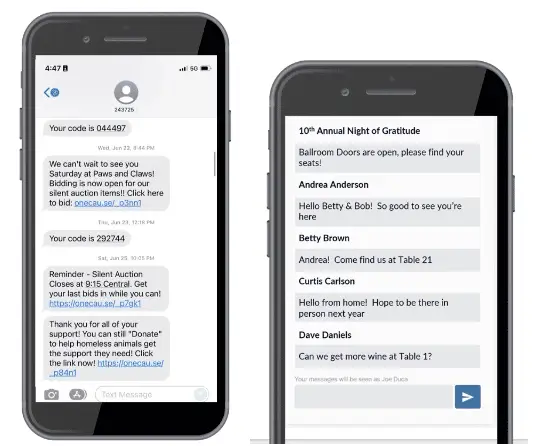
Similar to thank-you emails, donor appreciation text messages are a quick, easy way to privately thank individual donors. While they shouldn’t replace donation acknowledgment emails, texts can express your appreciation even quicker than emails. Texts are delivered almost instantly and typically read much faster than emails, making them perfect for sharing immediate thanks.
If you use text-to-give software, you can send thank-you messages automatically after someone completes a donation. Some event platforms also include text notification features, enabling you to send thank-you texts to guests at the end of your events.
8. Celebration Event
Celebration events – whether in-person, virtual, or hybrid – allow you to honor all of the amazing contributions donors have made to your organization. Plus, donors get the chance to meet and socialize, building a community around your nonprofit that will encourage long-term support and future event attendance.
When planning your donor appreciation events, remember to:
- Put the guest experience first: You’ll have an easier time forming relationships with donors when their experiences don’t just revolve around donating. At your celebration events, focus on providing engaging activities and memorable experiences.
- Discuss the donor’s impact: Your donors give to your cause because they want to make a difference. In your event’s opening speeches, honor your donors and let them know just how much they’ve made a difference in your nonprofit’s ability to fulfill your mission.
- Consider making your event hybrid: Make your celebration event accessible so that as many donors as possible can attend. With hybrid events, donors who live nearby and feel comfortable doing so can gather together in person, while other donors can still participate from the comfort of their own homes.
These celebrations require plenty of planning and an investment of time and resources. However, a successful event will more than recoup the cost by helping your nonprofit to build valuable connections with supporters.
9. Sponsor Banners
If your nonprofit secures corporate sponsorships for its events or programs, public recognition is essential. One of the top benefits sponsors receive from supporting your organization is publicity, so it’s your responsibility to clearly recognize their support.
You can show appreciation for sponsors easily with clickable online banners on your event website. With the right fundraising software, you can even differentiate sponsors and provide varying levels of recognition based on the size of their donations. For example, the OneCause Fundraising Platform offers a way to create sponsorship packages and display them on your event website accordingly:
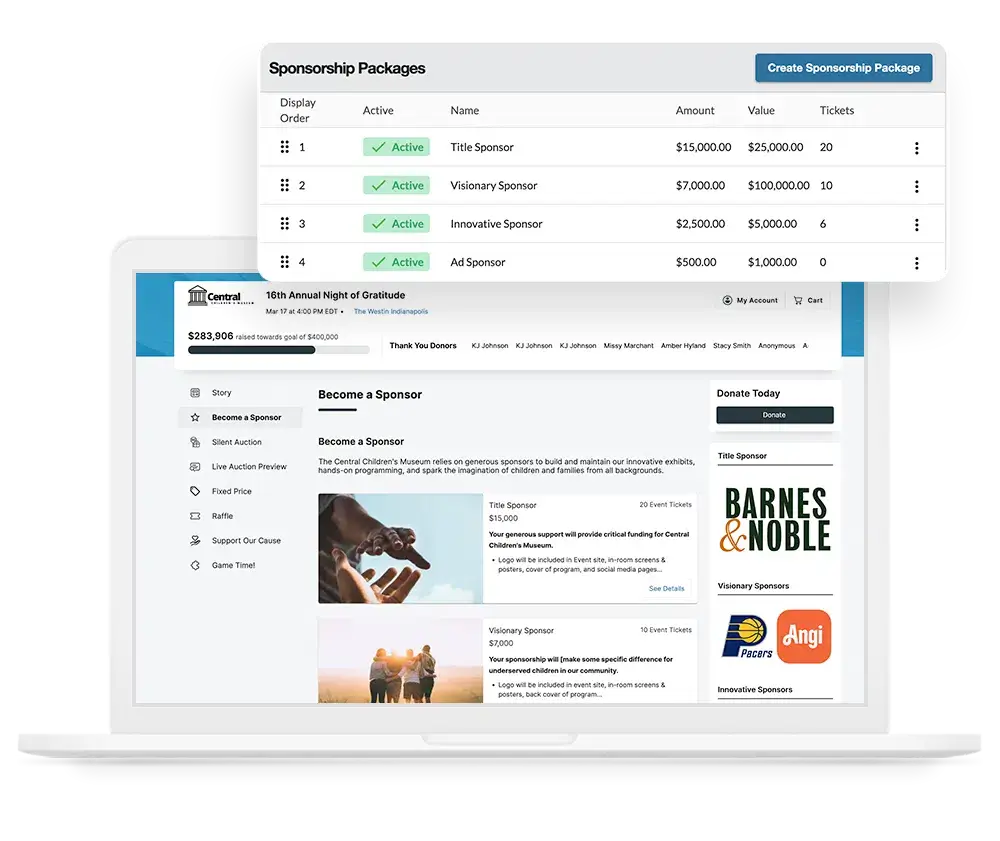
Along with adding sponsor banners to your website’s sidebar or header, you can also recognize individual item donors within your auction catalog. By doing so, you’ll publicly show your nonprofit’s appreciation for their contributions and provide more exposure for their businesses.
Key Donor Recognition Best Practices
To maximize the power of these donor recognition ideas and create more meaningful connections, follow these simple best practices.
Be Timely
Expressing gratitude within 24 hours of a donation is a must, but most donors now expect immediate confirmation. Ultimately, the sooner you say thank-you to a donor, the better.
Fortunately, fundraising technology can help your team make donation appreciation immediate. Thanks to innovative online donation tools and social fundraising platforms, you can receive instant notifications when a new donation comes through. From there, your software will send them an automated email thanking them for their contribution.
Be Memorable
Most Americans who donate to charity support more than one organization, either through direct financial donations, social engagement, or by attending a fundraising event. This means that while donors like the familiar, it can sometimes get a little too familiar, making it hard to tell organizations apart.
To stand out from the crowd, you must give your supporters memorable and creative donor recognition. By making donors feel as though their donation was the most important thing to happen to your organization that day, your recognition goes beyond a simple thanks. It becomes a recognizable, impactful moment in this person’s relationship with your organization.
This recognition not only makes a huge lasting impact on the donor but also creates a long-term connection with your organization.
Be Personal
If you want your thank-you messages to feel genuine to donors, customization is a must. People want to be recognized for their personal achievements, and expressing appreciation is the time to give them this satisfaction.
For example, say you’re running an online peer-to-peer fundraiser. To boost personalization in your donor appreciation efforts, you can:
- Call out individual donors by name on leaderboards, digital announcements, and social media posts.
- Highlight specific contributions, like recruiting new donors, getting likes on social, sharing inspiring photos, or hitting a fundraising milestone.
- Thank participants via social media when they join an online group or donate to your fundraising campaign.
Thanking people in a personal, casual manner at every step of your relationship will create lasting bonds.
Strengthen Relationships and Retention with Donor Appreciation
Regardless of what your donor recognition program looks like now, there’s always room for growth. By taking advantage of the opportunities mentioned here, you’ll be well on your way to building a community that will support your organization for years to come. When you prioritize donor recognition and harness the power of the thank-you, your organization can grow your base of repeat donors and cultivate lifelong supporters.
Eager to learn more? Explore these additional resources compiled by our team:
- Template: Thank You Letter for Sponsors: Not sure how to thank your nonprofit’s sponsors? Download our free thank-you letter template.
- Year-End Giving: The Ultimate Guide to Increase Donations: The year-end giving season is a natural time to thank your nonprofit’s donors. Explore tips for making the most of this fundraising opportunity.
- A Complete Guide to Fundraising Galas + Top 10 Event Ideas: Learn more about hosting fundraising events that engage and retain your donors.

About the Author

Sarah Sebastian
Director, Corporate Communications
Sarah Sebastian is the Director of Corporate Communications at OneCause, a fundraising software company that helps nonprofits raise more and reach more donors. She leads the company’s research initiatives and co-chairs the programming committee for the annual Raise fundraising conference. A former teacher and literature major turned nonprofit tech professional, Sarah brings a deep love of language and learning to her work. With more than a decade of experience in nonprofit technology, she specializes in...